




Finkeepers
Skip to main content

finkeepers.us

SaaS Accounting Services - Finkeepers

SaaS Accounting Services Built For US Software Companies

Get A Free Consultation!

Trusted SaaS Accounting Services for US Software Companies - ASC 606 Revenue Recognition, Deferred Revenue Schedules, ARR and MRR Reporting, and Gross Margin Analysis Investors Take Seriously

Behind every software company that raises smoothly is a revenue schedule that survives diligence. Finkeepers delivers saas accounting services covering ASC 606 recognition, deferred revenue, ARR and MRR reporting, and monthly close built for how subscription businesses actually earn.

We support early-stage startups, venture-backed companies, and established software businesses across the United States, spanning B2B SaaS, developer tools, vertical software, and usage-based platforms. Your dedicated pod handles the accounting so the team can build.

Saas bookkeeping services from Finkeepers replace the cost of an in-house accountant learning subscription revenue on your books. You get people who already work in deferred revenue, contract modifications, and cohort reporting as routine practice.

Why it matters: cash collected and revenue earned are different numbers in a subscription business, sometimes by a full year. An annual prepaid contract that hits the bank in January is earned across twelve months, and treating it otherwise overstates the current period badly.

How it works: every contract is scheduled at signature under ASC 606, so deferred revenue releases automatically rather than being calculated by hand each month. Upgrades, downgrades, and mid-term changes are handled as modifications rather than as new contracts.

The bottom line: revenue numbers that hold up in a data room. Explore our financial reporting, review fractional CFO services, or book a free consultation.

SaaS Accounting
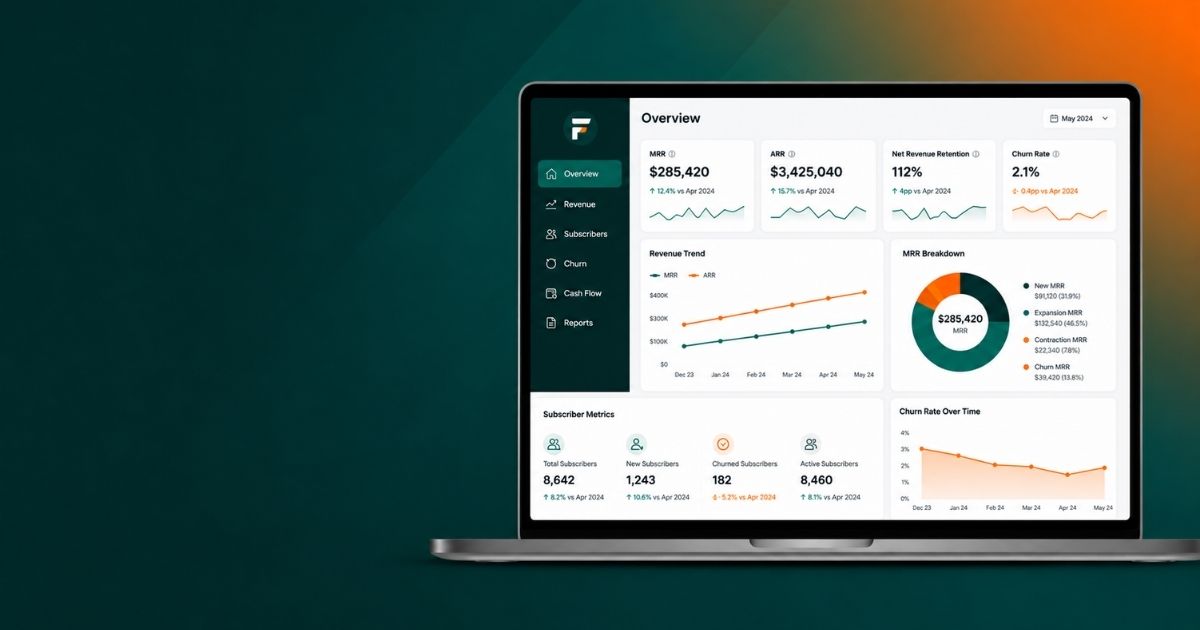
Cash Collected vs Revenue Earned
Cash Collected Revenue Earned
500k100k50k0JanFebMarAprMayJun
Deferred revenue balance
$27,360
13.7% vs last month

Who These SaaS Accounting Services Are Built For

Subscription accounting is distinctive because cash and revenue separate by design. The invoice arrives once and the revenue is earned over months. Below are the four situations where that separation costs software companies the most.

WHAT'S INCLUDED

Everything Your Software Company Needs, Every Month

From ASC 606 schedules to cohort reporting, every deliverable US software companies need, handled by a dedicated Finkeepers pod. Whether you are pre-revenue or post-Series A, the scope adjusts to your stage.

Revenue Recognition
Revenue Recognition
Deferred Revenue
Deferred Revenue
ARR and MRR Reporting
Cost of Revenue and Margin
Revenue Recognition For SaaS Under ASC 606
ASC 606

Revenue Recognition For SaaS Under ASC 606

Every contract scheduled at signature with performance obligations identified and transaction price allocated. Revenue releases across the service period automatically, so monthly recognition is a report rather than a calculation somebody performs by hand.

Deferred Revenue Schedules That Reconcile
BALANCE SHEET

Deferred Revenue Schedules That Reconcile

A deferred revenue rollforward reconciling opening balance, additions, recognition, and closing balance every month. Contract modifications, upgrades, downgrades, and refunds handled correctly rather than posted as new contracts.

SaaS Metrics Defined Once And Held Consistently
GROWTH METRICS

SaaS Metrics Defined Once And Held Consistently

ARR, MRR, net revenue retention, and churn calculated on fixed definitions that do not shift between board decks. Cohort reporting available so expansion and contraction are separable rather than netted into one figure.

SaaS Financial Reporting With Real Gross Margin
UNIT ECONOMICS

SaaS Financial Reporting With Real Gross Margin

Hosting, third-party services, support, and customer success classified consistently so gross margin is comparable to benchmarks. Cost of revenue separated from operating expenses at entry rather than reclassified before a raise.

How Finkeepers

SaaS Accounting Works

Expertise In

SaaS Software That Powers Your Business

Whether you run on Stripe, Chargebee, Recurly, NetSuite, or QuickBooks, Finkeepers works fluently across every leading US SaaS billing and accounting platform. Certified experts, seamless integration, and no disruption to how your company already operates.


What SaaS Accounting Services Cost

Most providers keep pricing behind a discovery call. We would rather you knew before you called. SaaS pricing tracks contract volume and revenue complexity rather than ARR, because scheduling work is what drives the effort.

Company stage

Revenue model

Typical monthly range

Pre-revenue or early

Simple monthly billing

$500 – $900

Seed stage

Mixed monthly and annual

$900 – $1,700

Series A

Annual prepaid, multi-tier

$1,700 – $3,000

Series B or later

Usage-based or multi-entity

Scoped individually

Revenue schedule reconstruction before a raise is quoted separately, because the work depends on contract volume and how many periods need rebuilding. There are no setup fees and no long-term contracts.

Our SaaS Revenue

Cleanup Process

In-House Accountant or Finkeepers?

In-house accountant

Finkeepers

Annual cost

$70,000 to $95,000 plus benefits and equity

Fixed monthly fee, no equity cost

ASC 606 experience

Depends entirely on the individual hired

Revenue scheduling as standard practice

Metric consistency

Definitions often shift between board decks

Fixed definitions held every period

Coverage when absent

Close stops during leave or illness

A pod, so continuity is built in

Review layer

Usually none – one person checks their own work

Preparer, reviewer, and manager sign-off

Diligence readiness

Reconstructed under pressure during a raise

Already in the format investors expect

An in-house accountant makes sense once the company needs a finance team rather than a finance function, typically Series B and beyond. Before that, revenue specialism and diligence readiness usually matter more than headcount.

WHY FINKEEPERS

The SaaS Accounting Partner US Founders Actually Trust

Built on ISO 27001:2022 certified security, US-trained accountants, and a leadership team of industry veterans, Finkeepers carries the trust markers software founders look for before handing over revenue data.

ISO 27001:2022 Certified

Independently audited information security meeting the highest international standards for handling revenue and customer data. Not a badge we designed ourselves.

SaaS Revenue Specialists

Accountants who work in ASC 606, deferred revenue, contract modifications, and cohort reporting as routine practice rather than occasional exceptions.

Led By Industry Veterans

A leadership team with decades of combined experience across accounting, audit, and financial operations for US companies.

99% Client Retention Rate

US software companies and SMBs stay with Finkeepers long-term because of consistent, reliable, expert financial partnership.

Free saas accounting services consultation with Finkeepers US experts

Get Your Free SaaS Accounting Consultation Today

Every software company has a different billing model, contract structure, and stage of growth, and so does our approach. Share your details and get a personalized plan built around your revenue model and funding stage.

*No obligations. Just fast, expert saas accounting insights tailored for your US software company.

FREQUENTLY ASKED QUESTIONS

Everything US Founders Ask,About SaaS Accounting

What are saas accounting services and how do they work?

Saas accounting services means partnering with a firm like Finkeepers to handle ASC 606 revenue recognition, deferred revenue schedules, ARR and MRR reporting, cost of revenue classification, and monthly close. The defining difference from standard bookkeeping is that revenue is scheduled across the service period rather than recognised when cash arrives.

ASC 606 requires identifying the contract, the performance obligations within it, the transaction price, allocation of that price across obligations, and recognition as each obligation is satisfied. For most subscription software that means recognising rateably across the service period. Setup fees, professional services, and multi-year terms each need separate treatment.

Deferred revenue is cash collected for services not yet delivered, carried as a liability until earned. An annual prepaid contract collected in January sits almost entirely in deferred revenue at the start and releases across the following twelve months. The schedule should reconcile opening balance, additions, recognition, and closing balance every month.

MRR is the normalised monthly recurring value of active subscriptions, with annual contracts divided by twelve rather than counted in full at signature. ARR is MRR multiplied by twelve. One-time fees, professional services, and usage overages should sit outside both. The most common error is changing the definition between board decks, which makes the trend meaningless.

Typically hosting and infrastructure, third-party services embedded in the product, payment processing, and the portion of support and customer success attributable to delivering the service. Sales, marketing, and research and development belong in operating expenses. Consistency matters more than the exact line, because gross margin is only useful when comparable.

Saas accounting services typically cost between $500 and $3,000 per month for US software companies, driven by contract volume and revenue model complexity rather than ARR. Revenue schedule reconstruction before a raise is quoted separately. Finkeepers offers transparent pricing with no setup fees and no long-term contract.

Get a Free Quote